Last Updated: October 7, 2026 | Compiled by Akusoli Insoles Editorial Team | 11 Min Read

Akusoli Insoles Reviews and Consumer Reports: Has Anyone Independently Tested Them?

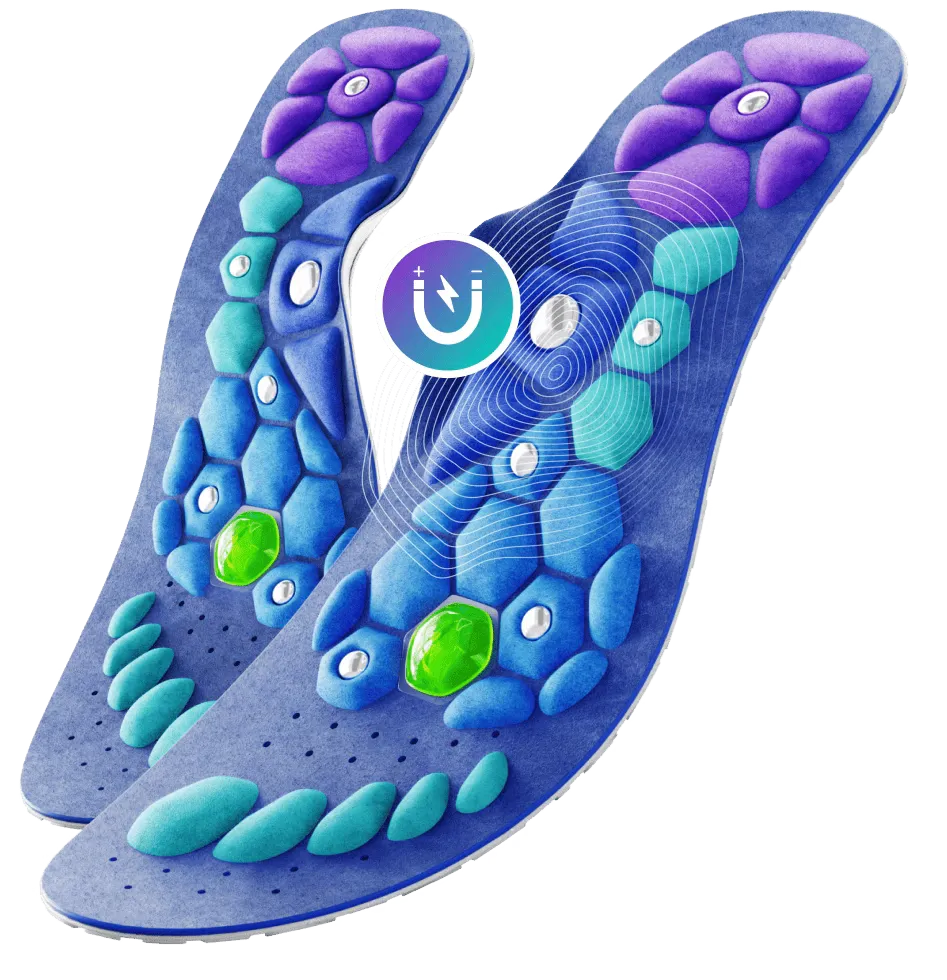
Pair of Akusoli Insoles with teal toe pads, blue hexagon arch nodes, purple heel nodes, silver magnet studs and a green center gem

No. As of October 7, 2026, Consumer Reports has published no review, rating or test of Akusoli Insoles, and its site search finds nothing for magnetic insoles of any brand. The nearest thing to independent testing is clinical research on magnetic insoles as a category, which found them no more effective than matching insoles without magnets. Pages that put Akusoli Insoles reviews and the Consumer Reports name side by side are borrowing a famous label, not reporting its results.

This guide is about evidence quality. It explains what an independent check of an insole would cover, which trials exist, and how you can run a careful trial of your own while the seller's return window is still open. For a plain description of the product, start with our Akusoli Insoles overview; for our editorial take on the whole package, read the complete Akusoli Insoles review.

Check the Current Akusoli Insoles Offer

What Independent Testing Exists Right Now?

We ran every check below on October 7, 2026; the right-hand column names where each answer came from.

QuestionAnswerBasis
Has Consumer Reports covered Akusoli?No: the search for "akusoli" returns no reviews or articlesConsumer Reports site search
Has it covered magnetic insoles at all?No: the search for "magnetic insoles" also returns nothingConsumer Reports site search
Any other lab or product tester?None located for this brandWeb searches for independent test reports
Closest independent evidence?Randomized trials of magnetic insoles from other makersJAMA (2003), Journal of Foot and Ankle Research (2015), AAFP
Watchdog context for the category?A Truth in Advertising alert about a different magnetic insoleTruth in Advertising, November 2019
Time available for a personal trial?60-day return window from receipt, conditions applySeller's return policy

Why Do Some Akusoli Review Pages Use "Consumer Reports" in the Title?

Because shoppers type that phrase into search engines, and some promotional pages copy it into their headlines without citing any Consumer Reports work at all.

Two examples turned up in our research. A TechBullion article from October 2024 carries "consumer reports" in its title alongside "scam truth" and "my experience," yet the body never quotes or links a Consumer Reports test. It sends readers to an outside website, shows no visible affiliate disclosure and promises a 30-day money-back guarantee, which conflicts with the 60-day window in the seller's own return policy. A YouTube video about the insoles strings the same phrase together with "reviews" and "UK" in one long title. Neither is a product test.

How Can You Tell a Borrowed Label From a Real Test?

Four quick questions separate an actual independent evaluation from a sales page wearing a borrowed headline.

  1. Is there a link to the tester's own report? A genuine reference points to a specific article on the tester's site, not to a store or a coupon page.
  2. Is the method described? Real tests say what was measured, for how long and against which alternatives.
  3. Is there a disclosure? Pages that earn commission should say so in plain text.
  4. Do the facts match the seller's terms? A wrong return period or delivery time is a sign the page was written without checking the source.

The same filters work on every kind of review you will find. Our map of the places where Akusoli buyers post feedback applies them to Trustpilot, Amazon, the BBB and the many press-release style articles about the brand.

Does any testing body endorse magnetic insoles? We found none. Consumer Reports has no article on magnetic insoles, no independent lab report on Akusoli Insoles turned up, and the medical sources we checked describe the magnet evidence as weak, so any page implying an official endorsement should be treated with suspicion.

What Would an Independent Insole Evaluation Look At?

A fair evaluation of any over-the-counter insole looks at fit, cushioning, support, durability, care, claims, returns and value; the table below is our own checklist, not a description of how Consumer Reports or any other tester works.

For each criterion, the middle column shows what a careful shopper would examine and the right-hand column lists what is publicly known about this particular product. Where a cell says "not published," we looked for the information and could not find it.

CriterionWhat to examineWhat is known about Akusoli Insoles
Fit and sizingSize range, how sizes split, whether trimming is possibleTwo sizes: S/M covers EU 36 to 41.5 and L/XL covers EU 42 to 47; both can be cut with scissors
Cushioning and feelSoftness under the heel and ball of the foot; pressure pointsThe seller describes multi-zone cushioning with raised acupressure nodes; some Trustpilot reviewers compare the feel to "walking on pebbles"
Arch supportShape and height of the arch contourArch support is a stated feature; no arch height figure is published
DurabilityHow surfaces and attached parts hold up with daily wearThe seller says they are "designed to last" without giving a timeframe; some buyers report magnets coming loose within about two weeks
CareWhether they can be washed and howHand-wash in mild-temperature water and air-dry; no machine dryer, no wringing
Claims vs evidenceWhether health claims are backed by trialsThe tagline promises "Effective Pain Relief"; trials of magnetic insoles do not support that kind of claim
Returns and supportLength of trial period, who pays return postage, contact options60 days from receipt; buyer pays return shipping; US phone line and email support
ValueCost compared with ordinary cushioned insoles that offer similar comfortCheck the current price on the order page and compare it with a plain cushioned insole before deciding

Two rows deserve extra weight. Fit is the one factor every insole guide agrees on, and the trim-to-fit design gives you some control over it. The claims row is where this product stands out from a basic cushioned insole, and it is also where the evidence is thinnest. Our breakdown of each advertised feature goes through the nodes, arch shape and silver coating one by one.

What Do Clinical Trials Say About Magnetic Insoles?

Controlled trials consistently found that adding magnets to an insole made no measurable difference compared with the same insole without magnets, although none of those trials used Akusoli Insoles.

That is the real substitute for the missing consumer test. Instead of asking whether one brand is comfortable, these studies asked whether the magnets themselves add anything, and they used sham insoles so that participants could not tell which pair they had.

SourceDesignResultTested Akusoli?
Mayo Clinic trial, JAMA 2003 (290:1474-1477)101 adults with foot pain; magnetic versus sham insolesImprovement in 35% with magnets and 33% with sham, no meaningful differenceNo
AAFP summary, February 2006Review of the same cushion-plus-magnet comparison33% versus 32% reported feeling all or mostly betterNo
AAFP plantar fasciitis review, 2005Evidence review of treatment optionsMagnet-embedded insoles no better than placebo; off-the-shelf insoles, not magnetic ones, recommendedNo
Tinley et al., Journal of Foot and Ankle Research 2015Small randomized, double-blind crossover trial (10 people)"No statistically significant therapeutic effect" for plantar fasciitisNo
NCCIH (National Institutes of Health), 2023Public health summary of magnet researchStudies "do not conclusively support" static magnets for painNo

One pattern in those numbers is easy to miss: roughly a third of people in both groups felt better. That is consistent with cushioning, rest and time doing much of the work, which matches the orthopaedic guidance from OrthoInfo that shoes with thick soles and extra cushioning can reduce pain when standing and walking. It also means a pleasant first week in any new insole is not proof that a special ingredient is working.

What About the Raised Acupressure Nodes?

We found no published trial of Akusoli's node layout, so the honest position is that this part of the design is untested.

The seller's own disclaimer is careful here: "Akusoli products are not intended to diagnose, treat, cure, or prevent any specific disease or condition, but rather to provide a complimentary supplement to professionally assigned treatments." Read that line next to the pain-relief tagline and you have a fair summary of where the marketing and the evidence part ways. The NCCIH also warns that some magnets can interfere with medical devices such as pacemakers and insulin pumps, so anyone using one should ask a doctor first.
Did the Mayo Clinic magnet study include Akusoli Insoles? No. That trial was published in 2003, long before the Akusoli store domains were registered in 2024, so it tested magnetic insoles in general. Its finding still matters for Akusoli Insoles because the magnets are the feature that sets them apart from a standard cushioned insole.

What Have Consumer Watchdogs Said About Magnetic Insole Marketing?

Watchdogs have looked at other magnetic insole brands rather than Akusoli, and their findings show which marketing habits deserve a second look.

In a November 2019 Ad Alert, the nonprofit Truth in Advertising examined MagniSole, a different magnetic insole. It flagged health claims it considered unsubstantiated, a guarantee that came with a restocking fee, a claimed "A+" BBB rating when the actual rating was an F, and a higher price on the brand's own site than on Amazon. Twenty years earlier, the Federal Trade Commission's 1999 order against Magnetic Therapeutic Technologies, Inc. barred that company from making treatment claims for magnetic insoles without "competent and reliable scientific evidence."

Neither case involves Akusoli, and we found no regulator action that names this brand. They are still a useful lens. When you compare the category history with the Akusoli record, a few points line up: an ambitious pain-relief tagline, a BBB profile for the US-facing business that shows an F, and a returns process with costs that fall on the buyer. Our claim-by-claim look at what the insoles deliver and the background check on the company behind Akusoli examine those points in detail.

How Can You Run Your Own Evaluation Inside the Return Window?

Plan your trial before the parcel arrives: the seller allows returns within 60 days of receipt, but its documents treat opened, unused, trimmed and worn insoles differently, so the order of your steps matters.

The return page lists change-of-mind returns for products that are opened but unused, while the terms of service say that, for hygiene reasons, returns are normally accepted only for defective items. Because those two documents point in different directions, ask support in writing what counts as "used" before you cut or wear anything.

  1. Day of delivery: inspect and photograph. The seller says each package holds one pair. Check both insoles for loose magnets, uneven nodes or damage, and photograph them next to the packaging. Defects are the easiest return reason to support.
  2. Compare sizes without cutting. Lay your shoe's original insole on top, lining up the heels, and see how much would need trimming. If the outline is far off, the wrong size may have been sent.
  3. Get the return conditions in writing. Email [email protected] and ask whether a trimmed or briefly worn pair can still come back. Keep the reply.
  4. Try them indoors first. If support confirms it is allowed, stand and walk on a clean floor in clean socks for short sessions so the pair stays in returnable condition.
  5. Keep a simple comfort log. Note the date, hours worn, which shoes, and any hot spots under the nodes or the arch. Notes beat memory when you decide later.
  6. Run a fair comparison. Alternate days with your usual insole in the same shoes. If both feel similar, the cushioning rather than anything special is probably doing the work, as the trials suggest.
  7. Watch for warning signs. Stop if you develop pain, blisters or corns, and see a clinician about any persistent foot problem rather than pushing through.
  8. Decide with time to spare. Support replies with a return authorization number and address within about three business days, and you then need a trackable shipment, at your own cost. Start the process well before day 60.

Boot wearers should add one more check, because a thicker shoe changes how the nodes press into the foot; our notes on wearing Akusoli in work and hiking boots explain what to look for.

Can Amazon star averages stand in for an independent test? Not really. Star averages on Akusoli Insoles listings show how satisfied buyers felt, often shortly after delivery, but there is no control group, no fixed method and no comparison with a plain insole, which is exactly what a real test adds.

Should the Lack of a Consumer Reports Review Change Your Decision?

Only a little: the missing test removes one shortcut, but the evidence that does exist already gives a clear enough picture to make a careful choice.

Who Might Reasonably Try Them?

Shoppers who want a trimmable cushioned insole with a textured surface, who accept that the comfort comes from padding and shape, and who are willing to follow the return steps closely.

Who Should Probably Skip Them?

Anyone buying mainly for magnet-based pain relief, people with pacemakers or insulin pumps without medical advice, and readers with diagnosed foot conditions who need a clinician-led plan.

If you do order, the product question and the origin question are worth settling first. The seller's terms state where the insoles are manufactured and shipped from, which affects delivery time and returns; our guide on where Akusoli Insoles are made and shipped from sets out what is disclosed.

See the Akusoli Insoles Order Page

Returns can be requested up to 60 days after delivery under the seller's conditions, and return postage is yours to cover

What Else Do Shoppers Ask About Testing Akusoli Insoles?

No. Akusoli Insoles have no Consumer Reports rating, review or test: as of October 7, 2026, a search of the Consumer Reports website for "akusoli" returns no reviews or articles, and a search for "magnetic insoles" comes back empty too. Any score or verdict attributed to that organization for this brand is not something it has published.

Many shoppers search for the phrase, so some promotional pages paste it into their headlines to attract clicks. Articles that pair Akusoli Insoles with the Consumer Reports name typically cite no test, link to a store instead of a report, and sometimes state return terms that differ from the seller's own 60-day policy. Treat such pages as advertising, not independent testing.

We could not find one. No laboratory report, product-testing publication or independent comparison of Akusoli Insoles turned up in our October 2026 research. The closest independent evidence comes from randomized clinical trials of magnetic insoles made by other companies, which found the magnets added no measurable benefit over the same insoles without them.

The 2003 Mayo Clinic trial, published in JAMA, gave 101 adults with foot pain either magnetic or sham insoles and found no meaningful difference: about 35% improved with magnets and 33% with the sham pair. The study did not include Akusoli Insoles, but it tested the same kind of feature the brand advertises, so it is the most relevant controlled evidence available.

Inspect and photograph the pair on arrival, compare the size against your shoe's original insole without cutting, and ask support in writing what condition a returnable pair must be in. A fair home trial of Akusoli Insoles then alternates days with your usual insole, keeps a short comfort log, and starts any return well before day 60, since the buyer pays for tracked return shipping.

It is not clear, so check before you cut. The return policy for Akusoli Insoles mentions change-of-mind returns for opened but unused products, while the terms of service say hygiene rules normally limit returns to defective items, and trimming may count as use. Email [email protected], get the answer in writing and keep it with your order confirmation.

Fit comes first, followed by cushioning, arch shape, durability, ease of cleaning, honest claims, return terms and overall value against a plain cushioned insole. Applied to Akusoli Insoles, that means checking the two-size, trim-to-fit design against your shoes, weighing the raised nodes for comfort, and judging the magnet claims against trials that found no added benefit.

Which Sources Did We Check for This Testing Guide?

We opened each link below on October 7, 2026. Wording from the seller's return policy, terms of service and help center is quoted on this page without a hyperlink, since this site never sends readers to the store directly.

How This Testing Guide Was Researched

Compiled by: Akusoli Insoles Editorial Team

This guide draws on Consumer Reports search results, peer-reviewed and medical sources on magnetic insoles, a consumer-watchdog alert and the seller's published policies. We did not wear-test the insoles, we did not run laboratory measurements, and the evaluation checklist is our own rather than any testing organization's method. Please treat it as consumer information rather than medical advice. If you buy through a link on this page, this site may receive a commission, and the price you pay stays the same. Last reviewed October 7, 2026.