Last Updated: October 7, 2026 | Written by Akusoli Insoles Editorial Team | 9 Min Read

9 Benefits of Akusoli Insoles: What They Are Designed to Do

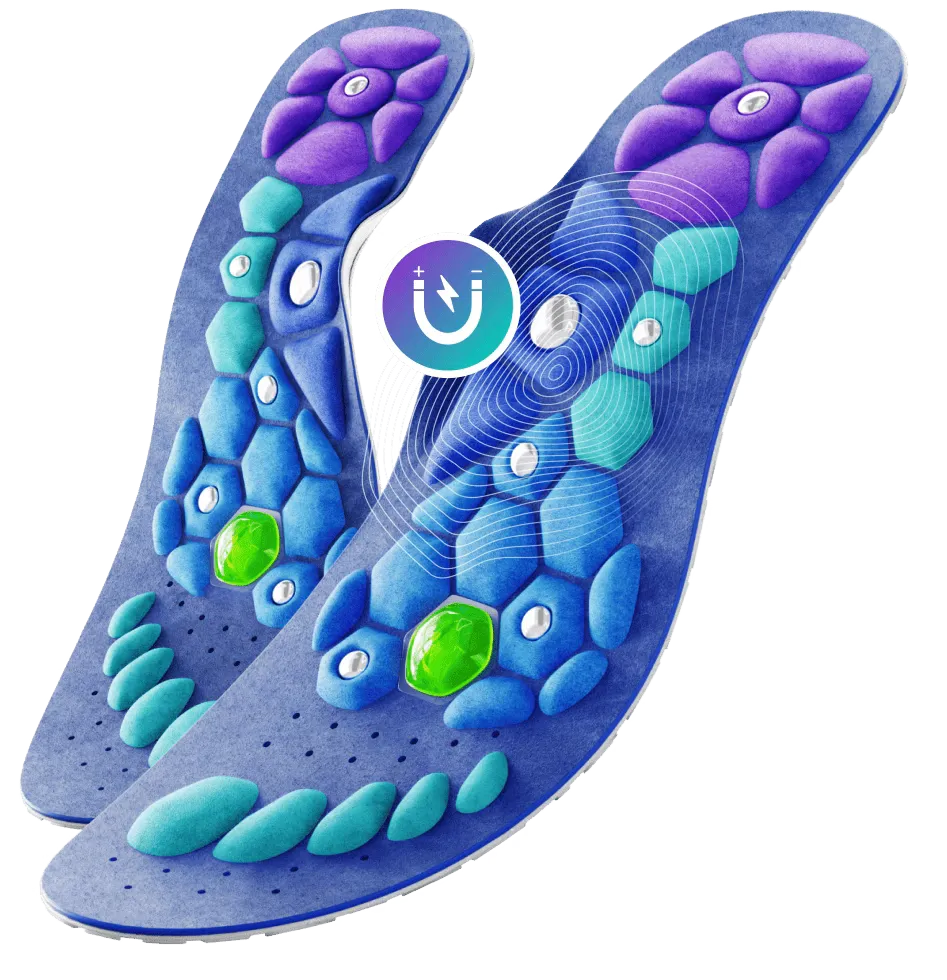
Pair of Akusoli Insoles with teal toe pads, blue hexagon arch nodes, purple heel nodes, silver magnet studs and a green center gem

Akusoli Insoles are built around a simple idea: replace a thin, flat factory insole with a cushioned, contoured and textured one. Each benefit below explains what a design feature is meant to do and how much independent evidence stands behind it.

The feature descriptions come from the vendor's published product information. The evidence notes come from independent sources such as the AAFP, the NCCIH and the American Academy of Orthopaedic Surgeons, so you can tell marketing apart from what is actually supported.

If you stand or walk for long hours and are weighing up Akusoli Insoles, this page gives you a realistic picture of what to expect, and who should skip them.

Get Akusoli Insoles — Check the Price

Benefit #1 — How Do the Raised Acupressure Cushions Feel Underfoot?

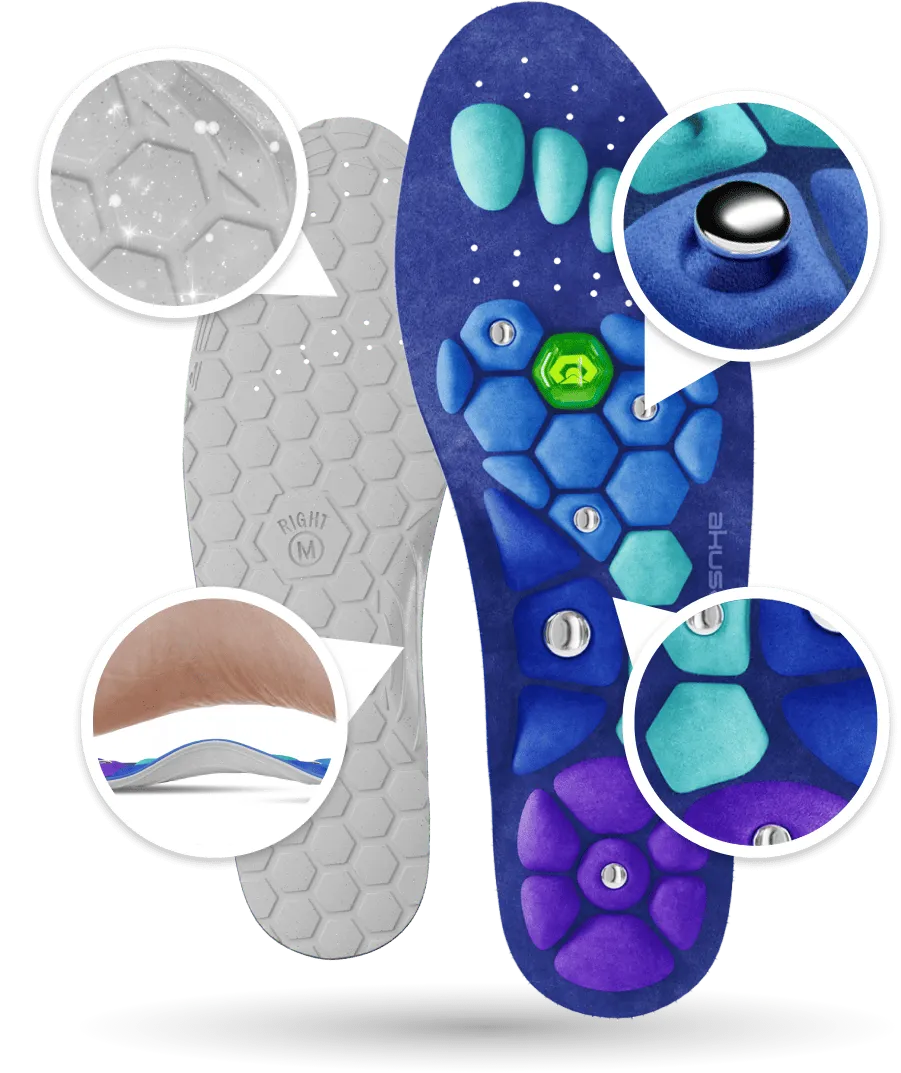
Akusoli Insoles top and bottom view with close-ups of the hexagon tread, a silver magnet stud, the arch contour and the teal and blue nodes

The raised cushions on Akusoli Insoles create a firm, massage-like texture under the sole that the vendor says targets key areas of the foot to ease pressure and tiredness.

Where Are the Cushions Placed?

Oval pads sit under the toes, a grid of hexagon-shaped pads covers the forefoot and arch, and a petal-shaped cluster sits under the heel. The pads are felt-covered and slightly domed, so each one presses into the sole as you stand.

What Can You Realistically Expect?

  • A noticeable texture: some people find the pressure pleasant and stimulating, especially after long hours on their feet.
  • A short adjustment period: the pads feel firm at first, and some buyers say it takes a few days to get used to them.
  • Personal preference: a minority of public reviews describe the pads as uncomfortable, so this benefit depends on your feet.

Key takeaway: The acupressure cushions are the signature feature of Akusoli Insoles. Treat them as a comfort preference; no published trial has tested the acupressure claim for this product.

Benefit #2 — What Are the Built-in Magnets Meant to Do?

The vendor describes "magnetic technology" with magnets carefully placed at set points in each Akusoli insole, but independent research does not show that magnets add a benefit for foot pain.

What Does the Evidence Say?

This is the part of the product where honesty matters most:

  • A Mayo Clinic randomized controlled trial of 101 adults with heel pain, published in JAMA in 2003, found no meaningful difference between magnetic and sham-magnetic insoles.
  • An evidence review in American Family Physician (AAFP) concluded that magnet-embedded insoles were no more effective than placebo insoles and recommends off-the-shelf insoles, "but not magnetic insoles."
  • The NCCIH says research does not conclusively support static magnets for pain relief and warns that some magnets may interfere with medical devices such as pacemakers and insulin pumps.

How Should You Weigh the Magnets?

What the Marketing Suggests

The vendor's tagline speaks of "effective pain relief" from magnetic acupressure. That claim is not supported by the controlled studies above.

What the Research Supports

Cushioned, off-the-shelf insoles can help with comfort. Any benefit from Akusoli Insoles most likely comes from the cushioning and arch shape.

Key takeaway: Do not buy Akusoli Insoles for the magnets. If you use a pacemaker, insulin pump or other medical device, ask your doctor before wearing any magnetic insole.

Benefit #3 — How Does the Contoured Arch Support Your Foot?

According to the vendor, Akusoli Insoles adjust to the natural shape of the foot, support proper foot positioning and promote correct knee alignment through a contoured arch.

What Does the Arch Contour Change?

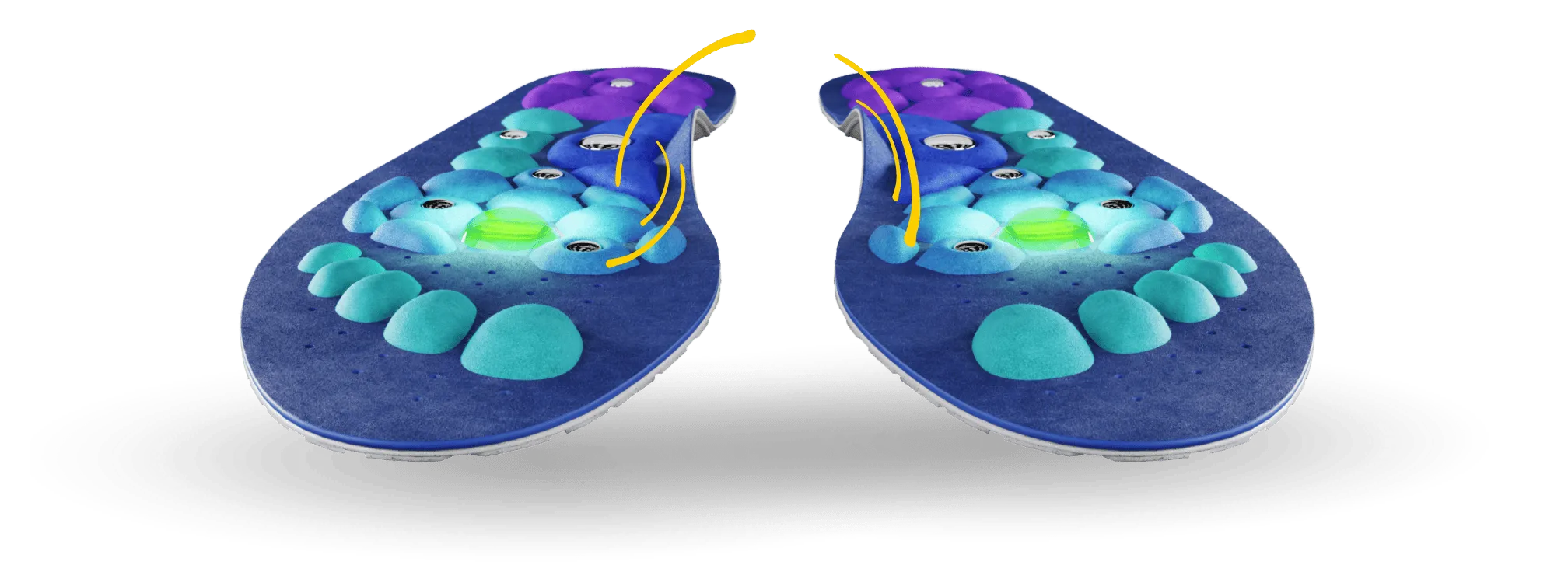
Most factory insoles are nearly flat. Akusoli Insoles rise along the inner edge, which fills the gap under the arch so that more of the foot is in contact with the insole. That can spread load away from the heel and the ball of the foot:

  1. Heel: takes the first impact of each step and much of the load when standing.
  2. Arch: the contour gives the midfoot something to rest on instead of an empty gap.
  3. Forefoot: shares the remaining load as you push off.

The American Academy of Orthopaedic Surgeons notes that shoes with thick soles and extra cushioning can reduce pain with standing and walking, and the AAFP recommends off-the-shelf insoles for heel pain. A contoured, cushioned insole fits within that general advice.

What Are the Limits?

  • One shape for many feet: the arch is mass-produced, not molded to your foot.
  • Not an orthotic: it does not replace a device prescribed for a diagnosed condition.
  • Knee claims are the vendor's: no independent data on knee alignment is published for this product.

Fit note: if the arch feels too high or too low after a few days, it may simply not match your foot shape. That is a reason to use the return window, not to push through discomfort.

Front view of a pair of Akusoli Insoles with teal toe pads, blue nodes, silver studs and green center gems, with yellow lines marking the arch area

Benefit #4 — Can Akusoli Insoles Ease Foot Fatigue on Long Shifts?

The vendor says Akusoli Insoles reduce foot pressure and fatigue and keep feet comfortable during long activity; three design features work together toward that goal.

Which Features Work Together?

1. Cushioning Under Load

Multi-zone cushioning adds padding where a standing body puts the most pressure: the heel and the ball of the foot.

2. Arch Contact

The contoured arch spreads weight across more of the sole instead of concentrating it at two points.

3. Textured Surface

The raised pads change the feel underfoot, which some people find refreshing over a long day and others find too firm.

Who Is Most Likely to Notice a Difference?

  • People on hard floors — concrete and tile are where extra cushioning is most noticeable.
  • Workers in flat-insole shoes — the bigger the gap between the old insole and the new one, the bigger the change.
  • Walkers and travelers — long days on foot in roomy, closed shoes.
  • Not a fix for medical pain — persistent heel pain, numbness or swelling needs a medical assessment, not just a new insole.

Key takeaway: Akusoli Insoles may make long shifts feel more comfortable mainly through cushioning and arch contact. Comfort varies, so test them on real workdays within the return window.

Benefit #5 — How Cushioned Are Akusoli Insoles?

Cushioned, textured comfort

Akusoli Insoles use what the vendor calls multi-zone cushioning to distribute body weight, and the order page describes "all-round shock-absorption and support."

How Do They Compare With a Flat Factory Insole?

PropertyAkusoli InsolesFlat Factory Insole
CushioningMulti-zone (vendor-stated)Usually a single thin layer
Arch ShapeContouredUsually flat
SurfaceRaised pads, non-slip (vendor-stated)Smooth fabric or foam
Top LayerSilver-coated (vendor-stated)Untreated in most shoes
ThicknessThicker; needs some room in the shoeThin; fits any shoe it came with
Material DetailsFoam or gel type not publishedVaries by shoe

What Is Not Published?

The vendor does not publish shock-absorption figures, a material type, a thickness measurement or an expected lifespan for Akusoli Insoles. We list only what is stated.

Key takeaway: Cushioning is the best-supported benefit of any aftermarket insole, and Akusoli Insoles add more of it than a typical factory insole. Just make sure your shoes have room for the extra thickness.

Benefit #6 — How Are Akusoli Insoles Built?

Akusoli Insoles combine six visible build elements in one trimmable insert, according to the vendor's description and its product images.

What Are the Build Elements?

Top Layer

Silver-Coated Surface

Described as non-slip, super soft and flexible, with an antimicrobial silver coating the vendor says reduces bacteria and odor.

Texture

Acupressure Pads

Felt-covered, domed pads under the toes, forefoot, arch and heel.

Inserts

Magnet Studs

Small chrome studs set into several pads; the count and strength are not published.

Center

Green Center Insert

A green, gem-like insert in the forefoot area, visible in the product images; the vendor does not describe its purpose.

Shape

Contoured Arch

A raised inner edge that the vendor says adapts to the natural shape of the foot.

Base

Hexagon Underside

A light-grey hexagon tread marked with the foot side and size letter.

Key takeaway: The build is more complex than a foam insert, but the vendor publishes few hard specifications. Judge the build by how it feels and holds up during the return window.

Layered insole build
Backed by a 60-day return window

Benefit #7 — Which Shoes and Activities Do Akusoli Insoles Suit?

Because Akusoli Insoles come in two sizes and are trimmed with scissors, one pair can be fitted to most closed shoes with a removable insole and a little spare depth.

Where Do They Fit Best?

Work Shoes

Closed work shoes for retail, hospitality or healthcare shifts, if the original insole lifts out.

Sneakers

Everyday sneakers are usually the easiest fit because they have a removable insole and room for padding.

Walking Shoes

Daily walks and errands, where cushioning and arch contact matter on every step.

Work Boots

Boots with a removable footbed may work; check the depth first, especially in safety footwear.

Travel

Sightseeing days with hours of walking on pavements and stone floors.

At Home

Closed house shoes for people who stand a lot while cooking or doing chores.

Which Shoes Are a Poor Match?

Shallow dress shoes, ballet flats, sandals and tight-fitting footwear often lack the depth for a thicker, textured insole. The vendor's terms also say the product is meant for personal, not professional or commercial, use. Men with larger feet can read our L/XL sizing notes for men before choosing a size.

Key takeaway: Two trimmable sizes make Akusoli Insoles flexible across everyday footwear. Trim slowly, test the fit between cuts, and keep the original insole as a template.

Benefit #8 — Are Akusoli Insoles Safe for Everyone?

For most healthy adults Akusoli Insoles are a low-risk comfort accessory, and the vendor states clearly that its products are not intended to diagnose, treat, cure or prevent any condition.

What Makes Them Low-Risk for Most People?

An insole is a passive product: it adds padding and shape to a shoe, and you can take it out at any time. The vendor's own disclaimer describes its products as a complement to professionally assigned treatments, not a replacement for them.

  • Start gradually: wear them for a few hours at first, because firm pads can cause soreness in some people.
  • Check your skin: look for redness or rubbing at the pad locations during the first week.
  • Stop if pain increases: discomfort that grows over several days is a signal to stop, not to push on.
  • Keep magnets away from devices: store spare insoles away from children and from medical devices.

Who Needs Extra Care?

Medical Device Users

The NCCIH warns that some magnets may interfere with pacemakers and insulin pumps. Ask your doctor before using any magnetic insole, and remove magnetic items before an MRI.

Diabetes or Neuropathy

Reduced sensation makes it harder to notice pressure points or rubbing. Talk to a podiatrist before using a textured insole.

Important: Do not use Akusoli Insoles without medical advice if you have a pacemaker, defibrillator, insulin pump or other medical device, diabetes, neuropathy, open wounds or foot ulcers, poor circulation, or if you are pregnant. Stop using them if pain increases, and see a doctor for any foot pain that persists.

Benefit #9 — Are Akusoli Insoles Good Value With the Return Window?

Akusoli Insoles come with a 60-day return window from the date you receive them, which gives you time to test them on real workdays before deciding whether they are worth the price shown at checkout.

Where Do Akusoli Insoles Sit in the Market?

CategoryTypical Cost LevelWhat You Get
Basic Foam InsolesTypically low-costSimple padding, little arch shape
Gel Cushion InsolesTypically low-costSofter heel and forefoot cushioning
Akusoli InsolesSee the current price on the order pageCushioning, arch contour, raised pads, magnets, trimmable sizing
Firm Over-the-Counter Arch SupportsTypically moderateSemi-rigid arch structure
Prescribed Custom OrthoticsPrescription costMolded to your foot for a diagnosed condition

Value depends on what you are paying for. If you mostly need cushioning and arch support, a plain insole may do a similar job. If you want the textured pads as well, Akusoli Insoles offer something most basic insoles do not. Our claim-by-claim value check of Akusoli Insoles weighs each marketing promise against the evidence.

What Should You Compare Before Buying?

Pack Size

Per Pair

Compare the cost per pair, not the headline price

Sizes

S/M · L/XL

Choose by EU size; trim to your shoe

Add-ons

Check Cart

Reviewers report unexpected extras

Returns

60 Days

From receipt; buyer pays return shipping

How Does the 60-Day Return Window Work?

The vendor calls it a 60-day satisfaction guarantee, counted from the day you receive the order. According to its return policy:

  1. Request a return through the vendor's contact form or at [email protected] (US phone: +1 (682) 228-2210) within 60 days of receipt
  2. Receive a return authorization (RMA) number and return address within 3 business days
  3. Ship the item back with a trackable method at your own cost
  4. Receive your refund within 14 days of the return being received and inspected

Original shipping fees are not refunded, and the vendor's terms mention hygiene limits on returns, so read the conditions and keep your order records before you start.

Key takeaway: The return window lowers the risk of trying Akusoli Insoles, but it is not unconditional. Decide early, ideally by week five or six, so the return can be completed in time.

Get Akusoli Insoles — Check Today's Price

Two trimmable sizes • 60-day return window (conditions apply) • US phone support
Are Akusoli Insoles Worth It? All 9 Benefits Summarized

#BenefitKey Point
1Acupressure CushionsFirm, massage-like texture; comfort is a personal preference
2Built-in MagnetsIncluded, but studies found no added benefit from magnetic insoles
3Contoured ArchFills the gap under the arch; not a custom orthotic
4Long-Shift ComfortCushioning and arch contact are the likely sources of relief
5Multi-Zone CushioningThe best-supported benefit of any aftermarket insole
6Layered BuildSilver-coated top, pads, studs, arch and hexagon base
7Fits Everyday ShoesTwo sizes (EU 36–47), trimmed with scissors
8Clear Safety LimitsAsk a doctor first if you use a medical device or have diabetes
960-Day Return WindowTime to test them; conditions and return shipping apply
See Akusoli Insoles Options and Price

Sold by the manufacturer's online store • Ships to the US • 60-day return window

Akusoli Insoles Benefits — Frequently Asked Questions

According to the vendor, the main benefits of Akusoli Insoles are extra cushioning, arch support, a more even spread of body weight and a textured, massage-like feel from the raised cushions. The practical extras are trim-to-fit sizing and a silver-coated top layer that the vendor says reduces odor.

The raised cushions on Akusoli Insoles press into the sole of the foot as you stand and walk. The vendor says they target key areas of the foot to ease pressure and tiredness; whether that pressure feels pleasant or too firm varies from person to person, and no published trial has tested the acupressure claim for this product.

The evidence for magnetic insoles is weak. A 2003 Mayo Clinic randomized trial published in JAMA found no meaningful difference between magnetic and sham insoles for heel pain, an AAFP review concluded that magnetic insoles were no better than placebo insoles, and the NCCIH says research does not conclusively support static magnets for pain relief. This applies to Akusoli Insoles as much as to any magnetic insole.

Akusoli Insoles have a contoured arch that the vendor says adapts to the natural shape of the foot and supports proper positioning. That can feel more supportive than a flat factory insole, but it is a one-shape-fits-most design rather than an orthotic molded to your own arch.

Akusoli Insoles are marketed for people who spend long hours on their feet, and their cushioning and arch contour are the features most likely to help with all-day standing. Orthopaedic sources agree that extra cushioning can make standing and walking more comfortable, but results vary, so use the return window to test them on real shifts.

Whether Akusoli Insoles are good value depends on the price shown on the order page and on how much you want the textured cushions. If you mainly need cushioning and arch support, a plain over-the-counter insole may do a similar job; the 60-day return window lowers the risk, but return shipping is paid by the buyer.

About This Page

Author: Akusoli Insoles Editorial Team

This benefits guide was compiled by the Akusoli Insoles Editorial Team from the manufacturer's published product, terms and return information, checked against independent sources including the AAFP, the NCCIH, OrthoInfo and MedlinePlus. We did not wear-test the product, and nothing on this page is medical advice. This page contains affiliate links; if you buy through them we may earn a commission at no extra cost to you. Last updated October 7, 2026.